
Unions in Energy
An Introduction to Unions in the Energy Industry
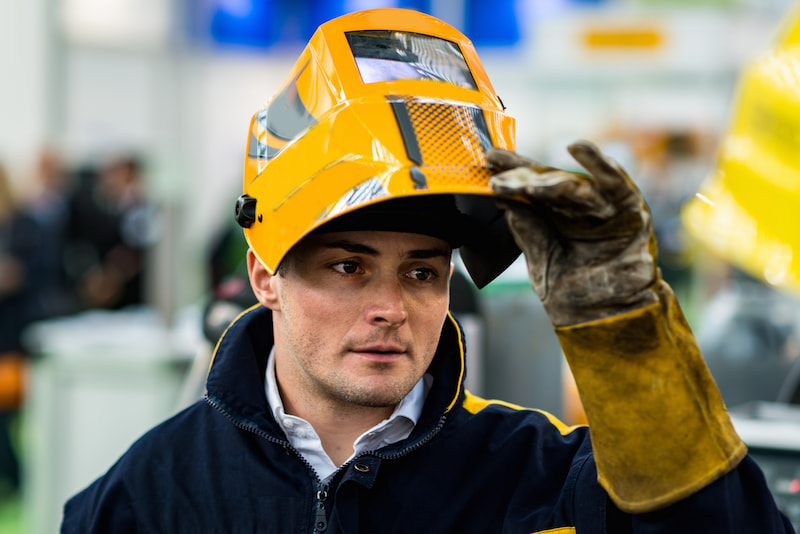 Labor unions have been at the heart of the energy industry for generations, safely building, maintaining, and advancing the systems that keep our world moving. Today, approximately 18% of the sector’s workforce is unionized. Despite the strong history of union engagement within the sector, many people don’t fully understand what unions are, how they operate, and how to connect with labor organizations and their training.
Joining a union means more than just a job: it’s access to top-notch training, competitive pay, strong benefits, and a community that has your back. Whether you’re just starting out, re-entering the workforce, or looking to change careers, unions offer clear pathways to skilled, high-demand roles in everything from construction and manufacturing to power generation and linework. If you’re ready to earn while you learn, work with pride, and be part of something bigger, a union career could be your next step.
Key Features of Union Membership
There are many benefits of belonging to a union; however, not everyone chooses a union career path, and there are numerous other employment entry points.
Get To Know the Industry’s Unions
American Federation of Government Employees (AFGE)
International Association of Bridge, Structural, Ornamental and Reinforcing Iron Workers, AFL-CIO (IW)
Represents the skilled tradespeople who erect, reinforce, rig, weld, and install the steel and concrete backbones of the entire energy system —from power plants to wind turbines and transmission towers. www.ironworkers.org
International Association of Heat and Frost Insulators and Allied Workers (HFIAW)
Represents workers in mechanical insulation, firestopping, asbestos & hazardous material handling, soundproofing & acoustical systems, and energy audits & retrofits. www.insulators.org
International Association of Machinists and Aerospace Workers (IAM)
Represents machinists and technicians in energy facilities, particularly in nuclear and aerospace-related energy sectors. www.goiam.org
International Association of Sheet Metal, Air, Rail and Transportation Workers (SMART)
Represents sheet metal workers, welders, fabricators, HVAC and ventilation specialists, and rail transportation workers. They are essential for both building and operating energy facilities and for moving the resources and equipment that power the sector. www.smart-union.org
International Brotherhood of Boilermakers (IBB)
Represents workers who build and maintain boilers, pressure vessels, and similar structures, common in power generation plants. boilermakers.org
International Brotherhood of Electrical Workers (IBEW)
Represents electrical workers, utility workers, lineworkers, and increasingly, people working in renewable energy like wind and solar. ibew.org
International Brotherhood of Teamsters (IBT)
Represents workers in logistics, hauling fuel, and some utility and construction roles. teamster.org
International Federation of Professional Technical Engineers (IFPTE)
Represents several different groups in the energy industry especially engineers, technical and utility professionals working for power generation, transmission & distribution, and public utilities. www.ifpte.org
The International Union of Bricklayers and Allied Craftworkers (BAC)
Represents refractory bricklayers, industrial masonry specialists, restoration and conservation specialists, and tile, marble, and terrazzo workers. bacweb.org
International Union of Operating Engineers (IUOE)
Represents workers who operate and maintain heavy equipment, including power plants and construction of energy facilities. www.iuoe.org
International Union of Painters and Allied Trades (IUPAT)
Represents industrial painters, drywall finishers, glazers in the areas that involve surface preparation, protective coatings, insulation, and finishing. They contribute to both construction and maintenance phases across multiple energy sectors. www.iupat.org
Laborers’ International Union of North America (LIUNA)
Represents construction laborers who work on pipelines, renewable energy installations, and nuclear plant maintenance. www.liuna.org
Operative Plasterers’ and Cement Masons’ International Association (OPCMIA)
They represent cement Masons & concrete finishers, and plasterers. www.opcmia.org
United Association of Plumbers and Pipefitters (UA)
Represents pipefitters and welders, important for oil, gas, nuclear, and hydrogen energy sectors. https://ua.org
United Steelworkers (USW)
Represents oil refinery workers, chemical workers, and pipeline workers. https://usw.org
Utility Workers Union of America (UWUA)
Represents workers in gas, electric, water, and nuclear industries. Unlike building trades unions (who build energy infrastructure), UWUA members are typically the operators, maintainers, and customer-facing. https://uwua.net