
Explore
Energy
Careers





Find the role that fits your skills, interests, and ambitions.
The energy industry doesn’t have one type of person. It has every type.
Some people build and repair the infrastructure that delivers power. Others design new technologies, analyze data, protect digital systems, or lead teams that keep the grid running.
If you’ve got a skill, energy has a place for it. Explore careers today.
Not sure where you fit yet? Take the Match Your Skills quiz to see which energy careers align with your interests.
Thousands of Different Careers
The energy industry includes more than a thousand career types, from skilled trades and engineering to cybersecurity, environmental science, and business leadership.
There’s no single “energy job,” the industry runs on a wide mix of skills.
Multiple Ways to Get Started in Energy
There’s no single path into the energy industry.
Many professionals enter the industry through apprenticeships, technical training, community colleges, or four-year degrees — and many let you earn while you learn.
Source: U.S. Department of Labor Apprenticeships Programs
The Energy System is Evolving
From renewable power and smart grids to cybersecurity and data analytics, the way energy is produced and delivered is rapidly changing.
That means new technologies, new skills, and new career opportunities across the industry.
What Energy Careers Look Like
Energy careers span everything from hands-on field work to advanced technology roles. Watch how professionals across the industry help power the systems people rely on every day.
Career Areas
Browse major sectors of the energy industry and explore the types of roles each one offers.

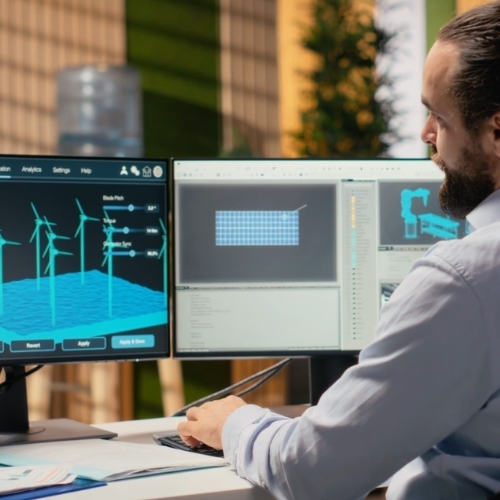



Featured Roles
There are many directions you can take in an energy career. Some of these roles are listed below. Salary info? Don’t worry, that’s included. The salary reflects the starting point for each role — each position offers salary growth, from entry-level starting pay to more experienced positions over time. Where your salary starts will depend on factors like training, certifications, location, and experience.
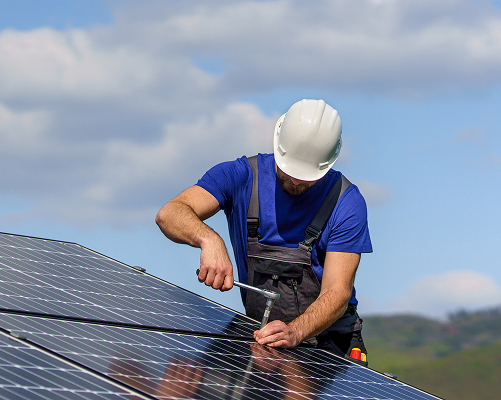
Solar PV Technician
- What they do: Analyze solar energy systems and data to help design and improve renewable power projects.
- Training Path: Degree in engineering, energy systems, environmental science, or a related field.
- Typical Entry Level Salary: $39,070
Wind Technician
- What they do: Design, maintain, and improve wind turbine systems that generate renewable electricity.
- Training Path: Bachelor’s degree in engineering or renewable energy systems.
- Typical Entry Level Salary: $49,110


Gas Utility Field Technician
- What they do: Install, inspect, and maintain natural gas pipelines and equipment that deliver fuel safely to homes and businesses.
- Training Path: Technical training or apprenticeship.
- Typical Entry Level Salary: $59,040
Power Plant Operator
- What they do: Monitor and control equipment that generates electricity and keeps power plants operating safely and efficiently.
- Training Path: Technical training, associate degree, or industry certification.
- Typical Entry Level Salary: $59,930

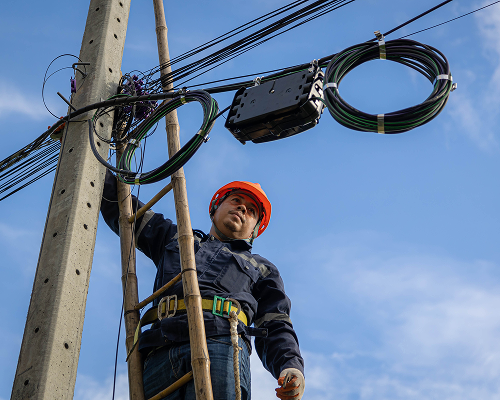
Electric Utility Lineworker
- What they do: Install, maintain, and repair the power lines and equipment that deliver electricity to homes and businesses.
- Training Path: Apprenticeship or technical training program.
- Typical Entry Level Salary: $51,000
Dam Safety Engineer
- What they do: Ensure dams and water control structures operate safely and reliably to protect communities, energy systems, and the environment.
- Training Path: Technical training program or bachelor’s degree in engineering.
- Typical Entry Level Salary: $68,830


Cybersecurity Professional
- What they do: Protect digital systems and networks that support energy infrastructure and the electric grid.
- Training Path: Bachelor’s degree or certification in cybersecurity, computer science, or information technology.
- Typical Entry Level Salary: $68,830
Up for a quiz? Find your fit.
If you don’t know where to start, explore our career quiz and find your best fit.